

Last updated: November 2026
Super Duolingo is the paid version of the Duolingo app. It removes ads, removes the limit on mistakes, and adds a few extra tools. But is it worth your money?
Short answer: yes, for daily learners. No, for casual learners. Super does not teach you more than the free version. The lessons are the same. What you pay for is comfort: no ads, no limits, and now, AI speaking practice.
Something big changed in November 2026. Duolingo is ending its top plan, Duolingo Max. Its best feature, Video Call, is moving into Super. That makes Super a better deal than it was in 2024. This review is updated for November 2026, with the new prices and the new features.
Our verdict: Super Duolingo is worth it if you use Duolingo almost every day and the free limits slow you down. It is NOT worth it if you study for a few minutes a day and the free version feels fine. Try the free trial first, and only pay if the trial changes how much you study.
What Changed in November 2026: Duolingo Max Is Ending
This is the biggest change since our last review, and it changes the value of Super.
On November 3, 2026, Duolingo said in its Q3 2026 shareholder letter that it will stop selling Duolingo Max, its highest plan. Max was the only plan with Video Call, the AI speaking practice where you talk with the character Lily. Now that feature is moving into Super.
- New Super subscribers already get unlimited Video Call. Duolingo started giving it to new Super subscribers in Q3 2026.
- All Super subscribers should get it by the end of 2026. Duolingo says it is on track to make unlimited Video Call available to every Super subscriber by the end of this year.
- Max will stop being sold to new users in November 2026. People who already pay for Max Individual will move to a Super Family plan at the same price, and they can share it with family or friends.
- Max Family users will hear about their options in 2027. Duolingo is still deciding what happens to them.
Why did this happen? Duolingo says the cost of running a Video Call fell from about $0.30 per call to under $0.01. When the feature became cheap to run, there was no reason to keep it locked in a costly top plan.
What this means for you: if you buy Super now, you get the speaking practice that used to cost much more. Super is now the only paid plan to buy. Do not buy Max, and do not pay extra for it anywhere.
What Is Super Duolingo?
Super Duolingo is Duolingo’s paid subscription. It used to be called Duolingo Plus. The name changed in June 2022, but it is the same product.
Super does not add new lessons. Every course is free, and free users get the same lessons as paying users. Super changes how you learn, not what you learn. It removes the limits and the ads that slow you down.
Free vs Super Duolingo: What You Get
| Feature | Free | Super |
|---|---|---|
| All lessons and courses | Yes | Yes |
| Ads | Yes, between lessons | No ads |
| Energy / Hearts limit | Limited — about 2–3 lessons, then you must wait | Unlimited |
| Video Call (AI speaking practice with Lily) | No | Yes — new subscribers now, all subscribers by end of 2026 |
| Personalized practice (Practice Hub) | Basic | Full — practice built from your mistakes |
| Monthly streak repair | No | Yes, once a month |
| Offline lessons | No | Offered on some app versions — check your app |
| Explain My Answer | Free since January 2026 (Spanish, French, German, Japanese, Portuguese, Italian, Korean) | Same |
How Much Does Super Duolingo Cost in 2026?
Important: Duolingo does not publish one price list. The price you see depends on your country, your phone or computer, and the offer on your account. The numbers below are the prices most often reported in the US in late 2026. Always check the price on your own checkout screen before you pay.
| Plan | Price (US, late 2026) | Works out to |
|---|---|---|
| Super, monthly | About $12.99–$13.99 per month | $156–$168 if you pay monthly for a full year |
| Super, annual | About $83.99–$119.99 per year | About $7–$8 per month |
| Super Family, annual | About $119.99 per year | Up to 6 accounts — about $20 per person per year |
The annual plan is the better deal. At $119.99 a year, you save about $48 compared with paying $13.99 every month. At $83.99 a year, you save about $84.
Our old 2024 price of $79.99 a year is out of date. The lowest annual price now reported is $83.99. Prices also change by country. For example, UK and Australian prices are different from US prices, and app store prices can be higher than web prices. Check both before you buy.
Student discount: students in the US, Canada, UK, Ireland, Australia, and New Zealand have been reported to get about 50% off the annual plan (around $47.99 a year). This is reported by third-party sites, not confirmed on Duolingo’s own pages, so check your student offer in the app.
Family Plan: the Family Plan covers you plus five other people, six accounts in total. Each person keeps their own account, progress, and streak. If two people share it, each pays about $60 a year. If six people share it, each pays about $20 a year. It is the cheapest way to get Super, but only if the other people will really use it.
What You Actually Get With Super
1. No ads
Ads stop showing between your lessons. This sounds small, but it matters. A short study session stays short. Your focus does not break every few minutes.
2. Unlimited Energy (unlimited Hearts)
On the free plan, your practice is limited. Duolingo has replaced the old Hearts system with Energy on many mobile accounts. Under Energy, every exercise uses some energy, right or wrong. Most free users get about two or three lessons before the app slows them down. Under the old Hearts system, each mistake cost one heart. Either way, Super removes the limit. You can make mistakes and keep going. This is the feature most daily learners pay for.
Note: if you mostly learn on the computer, this matters less. The web version has never used the Hearts limit in the same way.
3. Video Call: AI speaking practice (new in Super)
This is the big new reason to pay. Video Call lets you talk with Lily, an AI Duolingo character, in a real back-and-forth conversation. It is low-pressure speaking practice, with no tutor to book and no fear of looking silly. New Super subscribers already get unlimited Video Call. All Super subscribers should have it by the end of 2026. It works in the iOS and Android apps.
One honest limit: Video Call gives feedback on your answers, but it does not give a word-by-word pronunciation score. It is practice, not a speaking test.
4. Personalized practice (Practice Hub)
Super builds practice lessons from your own mistakes. The app tracks the words and grammar you get wrong and turns them into review exercises. This is smart: the things you got wrong are the things you most need to see again. Free users can still review mistakes at the end of a lesson, but Super’s Practice Hub goes further.
5. Monthly streak repair
If you miss a day, Super lets you repair your streak once a month. If your streak is what keeps you coming back, this protects the habit. If you do not care about streaks, this feature is worth nothing to you.
6. Offline lessons
Super has long offered downloadable lessons for offline use on some mobile versions. This helps travelers and commuters. But be careful: Duolingo’s current official pages do not clearly confirm offline downloads any more. Before you pay for this feature alone, open your app, look at the Super benefits on your account, and check that offline lessons are listed for you.
What Super Does NOT Give You
This part matters as much as the features. Many people pay and then feel let down, because they expected something Super never promised.
- No extra lessons. The course is the same on free and Super. Duolingo’s own App Store page says every course is free. Paying will not teach you more words or grammar.
- No deep grammar teaching. Duolingo explains grammar lightly. If you want clear grammar rules, you still need a book, a course, or another app.
- No real human conversation. Video Call is an AI chat. It is good practice, but it is not the same as talking to a real person. If speaking is your main goal, a tutor or a language exchange partner will help more.
- No magic path to fluency. Super removes friction. It does not add the hours of listening and reading you need to speak well. You still need to do that work outside the app.
- Explain My Answer is now free. In January 2026, Duolingo made Explain My Answer free for most learners in Spanish, French, German, Japanese, Portuguese, Italian, and Korean. It used to be a paid feature. It is no longer a reason to pay.
Pros and Cons of Super Duolingo
| Pros | Cons |
|---|---|
| No ads — smooth, focused lessons | Same lessons as the free version — no new content |
| Unlimited Energy / Hearts — study as long as you want | Costs about $84–$96 a year, every year — it never ends |
| Video Call speaking practice, now included (was Max-only) | No deep grammar teaching |
| Personalized practice from your mistakes | Offline lessons are not clearly confirmed on all versions |
| Monthly streak repair protects your habit | Price varies by account and country — no fixed price list |
| Family Plan is very cheap per person (about $20 a year each) | No refunds for part-used months; cancel in the same store where you bought it |
Who Should Pay for Super Duolingo?
Super is a good buy if any of these sound like you:
- You study almost every day. You open Duolingo daily and you study for 15 minutes or more. The limits are the thing that stops you.
- You keep running out of Energy or Hearts. You hit the free limit in the middle of a study session, more than once a week.
- Ads break your focus. Short sessions fall apart because of ad breaks.
- You want speaking practice. Video Call is now part of Super, and it is the cheapest way to get regular speaking practice inside Duolingo.
- Your family will share it. Three or more people use the app, so the Family Plan costs very little per person.
- You travel or commute a lot. Offline lessons help, if your app version offers them.
Who Should NOT Pay? (Stay Free)
Be honest with yourself. Super is a waste of money if:
- You study for a few minutes a day. One short lesson a day rarely hits the free limit. The free version gives you the whole course.
- Ads do not bother you. If you barely notice them, you are paying to remove something you do not mind.
- You mostly learn on a computer. The web version has no Hearts limit, and Video Call is a mobile-app feature. Super adds much less on desktop.
- Your real problem is speaking. Super’s Video Call helps, but a real tutor or a language exchange partner helps far more. Spend the money there instead.
- You need grammar. Super does not teach grammar in depth. A structured course like Babbel, or a good grammar book, is a better buy.
- Money is tight. The free version teaches the same lessons. No app subscription is worth stress over money.
- You are not consistent yet. If you have not built a daily habit, pay nothing. Build the habit free for a month first. Then decide.
Super Duolingo vs Other Language Apps
Super is not the only paid option. Here is how it compares, in short.
| App | Best for | Weak point |
|---|---|---|
| Super Duolingo | Daily habit, fun lessons, now with AI speaking practice | Light grammar, no human conversation |
| Babbel | Clear, structured lessons with real grammar | Fewer languages, less fun than Duolingo |
| Busuu | Community corrections from native speakers | Smaller course range |
| Memrise | Vocabulary with real-life videos | Less structured as a full course |
No app alone will make you fluent. The best plan is often Duolingo (free or Super) for daily habit, plus one other source for speaking, listening, or grammar.
Super Duolingo Free Trial: Try Before You Pay
Yes, there is a free trial. The length depends on where you sign up:
- On the Duolingo website: usually 1 week free.
- In the Apple App Store or Google Play: the listings advertise 14 days free.
- Some accounts see other offers. Duolingo has said it is testing longer trials, so your offer may differ.
During the trial you get full Super access. Use it every day. Try the Video Call, the Practice Hub, and long study sessions. Then compare: did you study more than usual? If yes, Super is doing its job. If no, cancel.
Do not forget: the trial turns into a paid plan on its own if you do not cancel. Cancel at least 24 hours before the trial ends. Cancel in the same place where you started it (App Store, Google Play, or the Duolingo website). Deleting the app does NOT cancel your subscription. Duolingo also says payments are generally non-refundable, and you get no refund for a part-used month. Set a reminder on your phone the day you start the trial.
How to Decide in 2 Weeks (Simple Test)
Do not guess. Test it.
- Week 1: use the free version. Each time an ad or the Energy limit stops you from studying, write it down.
- Week 2: start the free trial. Study the same amount of time each day. Write down your study minutes.
- Compare. If you studied clearly more in week 2, and the extra time came from Super’s features, pay for the annual plan. If your minutes did not change, cancel the trial and stay free.
Super is worth its price only when it buys you more practice. It does not buy you a different course.
How to Get the Most From Super (If You Pay)
- Set a daily goal and keep it, even on busy days. A short lesson beats no lesson.
- Use the Practice Hub often. Fixing your mistakes is where real progress happens.
- Use Video Call every week. Speaking is a skill. It only grows when you speak.
- Use offline lessons when you travel, if your app offers them.
- Join the leaderboards if competition keeps you going.
- Combine Duolingo with other learning: podcasts, videos, or a language exchange app in your target language. Duolingo alone is not enough.
- Buy the annual plan, not the monthly plan, if you will use it all year. It saves about $70 a year.
- Share a Family Plan with family or friends if you can. It is the cheapest way to get Super.
Frequently Asked Questions
Is Duolingo Plus the same as Super Duolingo?
Yes. Duolingo Plus was renamed Super Duolingo in June 2022. It kept the same features and the same price. So “Is Duolingo Plus worth it?” and “Is Super Duolingo worth it?” are the same question.
Does Super Duolingo give you more lessons than the free version?
No. Free and Super users get the same lessons and the same courses. Super removes ads and limits, and adds tools like Video Call and personalized practice. It does not add course content.
Does Super Duolingo include Video Call now?
Yes. New Super subscribers already get unlimited Video Call, and Duolingo says all Super subscribers will have it by the end of 2026. This used to be a Duolingo Max feature. Max is being ended, so Super is now the plan that has it.
How much does Super Duolingo cost?
There is no single fixed price. In the US in late 2026, Super is most often reported at about $12.99–$13.99 a month, or about $83.99–$119.99 a year. The Family Plan is about $119.99 a year for up to six people. Your price depends on your country, platform, and account offer. Check your own checkout screen.
Is the Duolingo Family Plan worth it?
Yes, if several people will really use it. Six people sharing $119.99 a year pay about $20 each. But if only one person uses it, it is just a more costly plan. Only buy it for people who will study.
Can I cancel Super Duolingo any time?
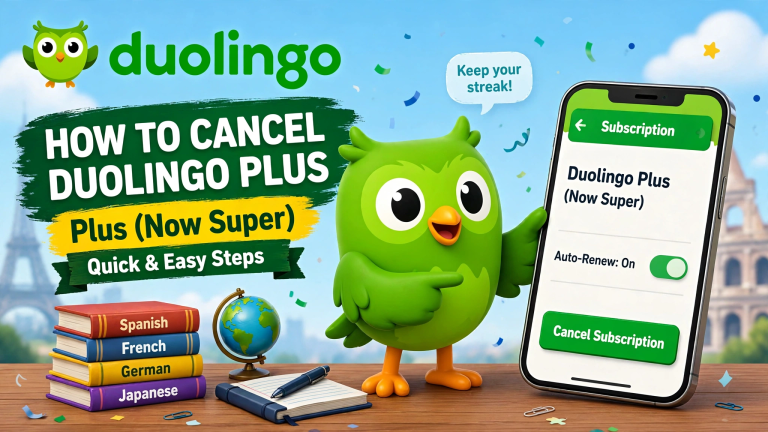
Yes. Cancel in the same place where you bought it: the App Store, Google Play, or the Duolingo website settings. You keep Super until the end of the period you paid for. Deleting the app does not cancel it, and Duolingo generally does not refund part-used months.
Is Super Duolingo worth it for kids or students?
For students, check the student discount first (reported at about 50% off the annual plan). For kids, the free version is often enough, unless ads and limits keep stopping them. A Family Plan can cover the whole household cheaply.
Final Verdict: Is Super Duolingo Worth It?
Super Duolingo is worth it for one kind of learner: the daily learner who hits the free limits. If ads and the Energy limit cut your study time short, Super buys that time back. And in late 2026, the deal got better: Video Call speaking practice, once locked in the costly Max plan, now comes with Super.
But Super is not worth it for everyone. If you study a few minutes a day, if ads do not bother you, or if you mostly learn on a computer, the free version already gives you everything you need. The lessons are the same either way.
Bottom line: use Duolingo free for two weeks. If the limits keep stopping you, start the free trial. If the trial makes you study more, pay for the annual plan. If it does not, cancel and stay free — you lose nothing, and the free course is still a good course.
Remember: the most important part of learning a language is showing up every day. Free or Super, that part is up to you.



5 Comments